Azura's Crystals
 GFA METERSTRONG
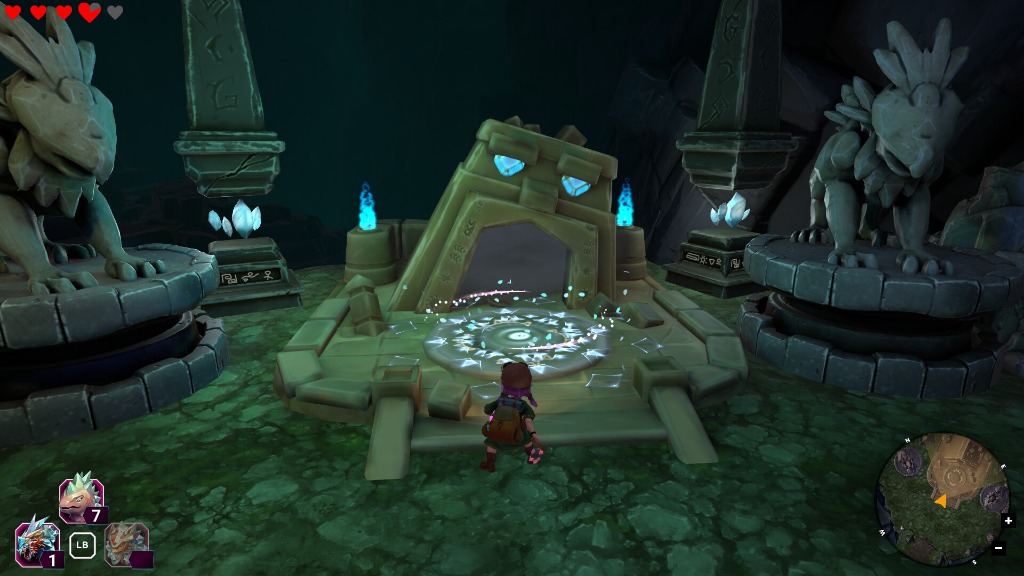
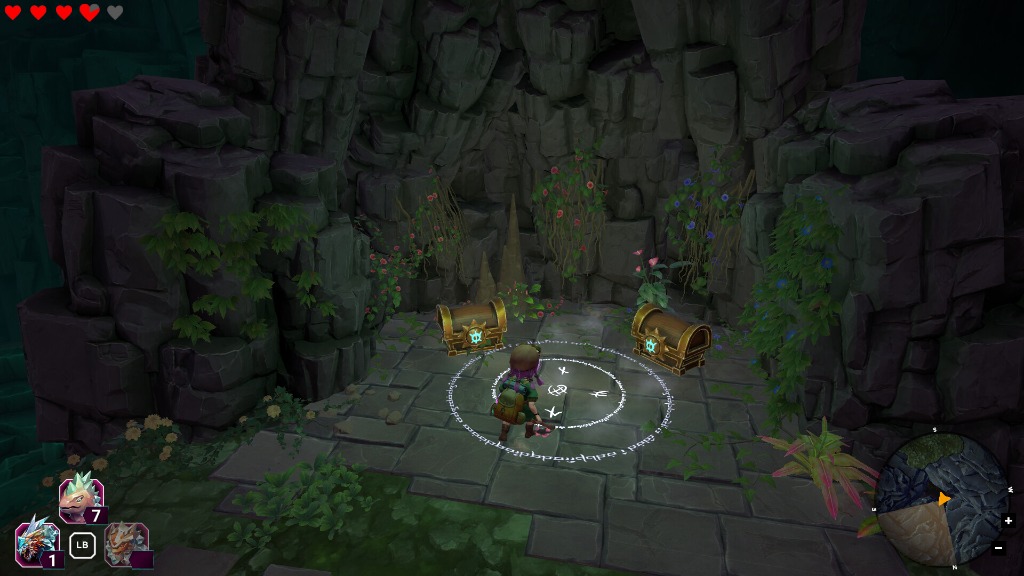
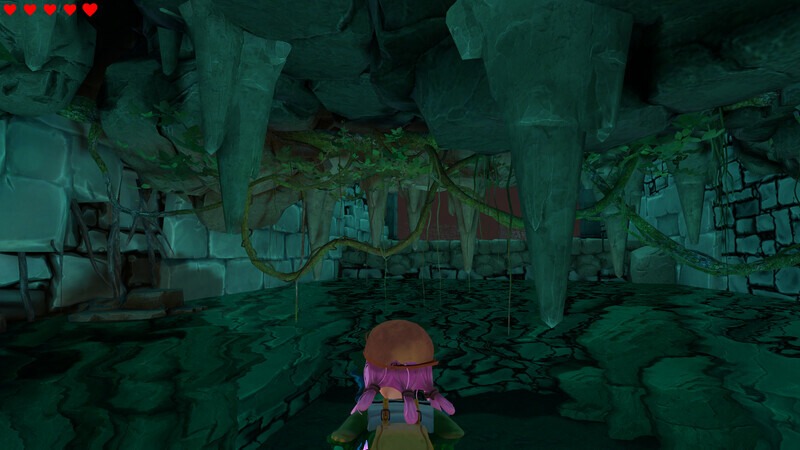
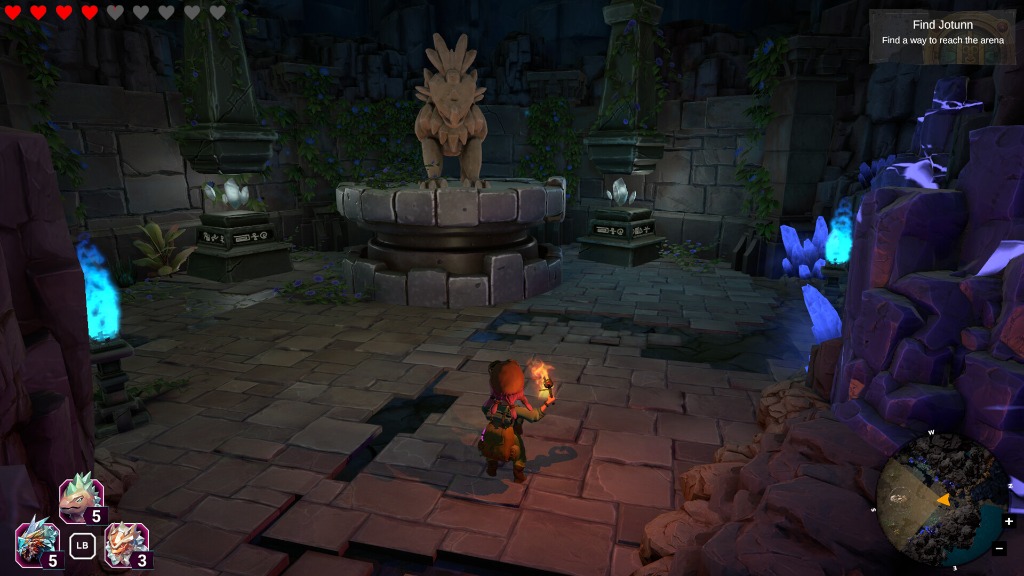
The real hook is how many different fantasy pleasures it stacks together without feeling like a messy buffet. Exploration is the spine: you're moving through serene forests, then down into treacherous caves and ruins, with each area called out as having its own flora and fauna—so it isn't just “biome reskins,” it's meant to feel like you're stepping into distinct little chapters of a living world. And because the game promises environmental puzzles as a core pillar, the wandering isn't just scenery tourism—it's constantly nudging you to pay attention, read the space, and prod the environment like an eager detective with a crystal addiction.
Combat is where the “crystals” stop being jewelry and start being a personality. The store description frames it as dynamic combat powered by elemental crystal abilities, and it gets extra spice from the Vesperians: you can summon these creatures to help in battle, which adds a satisfying “toolkit” feeling. The fun part (and the reason this becomes a proper “build” game) is that Vesperians aren't just a one-note summon animation—they're also positioned as useful for research and exploration, and their abilities can be upgraded over time. Translation: you're not simply collecting pets, you're assembling a magical support staff. (“Congratulations, you're now the manager of a tiny mythical creature department. Please submit your quarterly crystal reports.”)
Then there's the crafting layer, which is the game's secret sauce for long-term stickiness. You gather resources in the world and craft tools, potions, and upgrades, so every detour feels justified. The best crafting systems make exploration feel valuable even when you're “off-mission,” and Azura's Crystals clearly wants that vibe—wander, stock up, come back stronger, repeat. It's cozy momentum, but with enough adventure flair that you don't feel like you're playing a spreadsheet with trees.
A quick practical note: on Steam it's single-player, includes a demo, and has 43 achievements, which is always a nice sign of “there's a lot here to poke at.” It also supports nine languages (including Japanese, French, German, Spanish, Portuguese, Chinese, and Italian), which is great for an indie fantasy adventure that clearly wants to be welcoming. And yes—Steam currently shows too few user reviews to generate a meaningful aggregate rating, so this is very much a “try the demo and see if the loop hooks you” situation.
Screenshots