Cult of the Lamb
 GFA METERGREAT
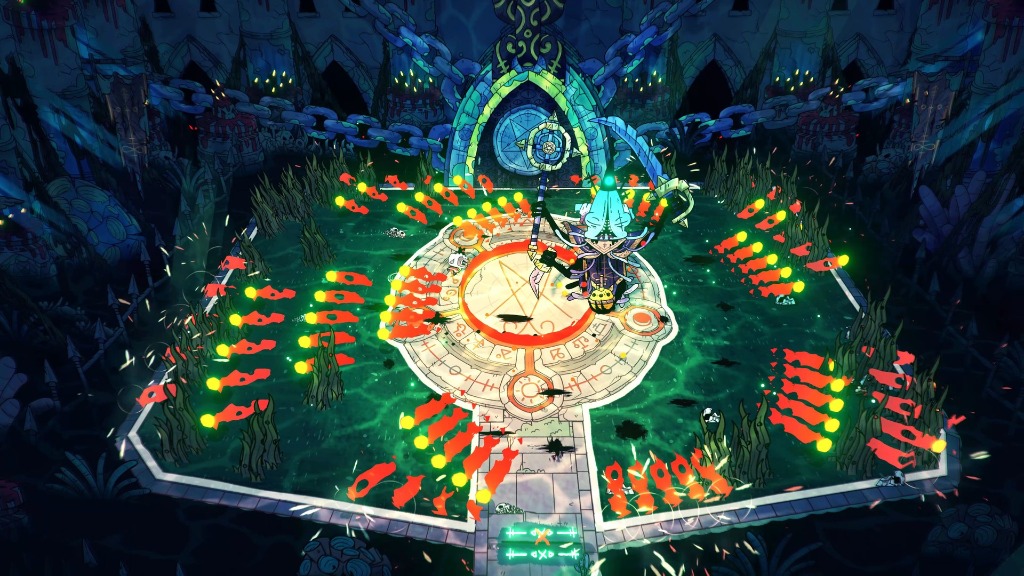
Then you go on crusades. The combat side is fast, punchy, and built for short “one more run” sessions: clear rooms, pick upgrades, grab loot, and push deeper into enemy territory to knock down the region's bosses. The genius is how everything you do out there feeds your cult back home—new resources, new unlocks, new power—so the village and the dungeons keep each other moving forward.
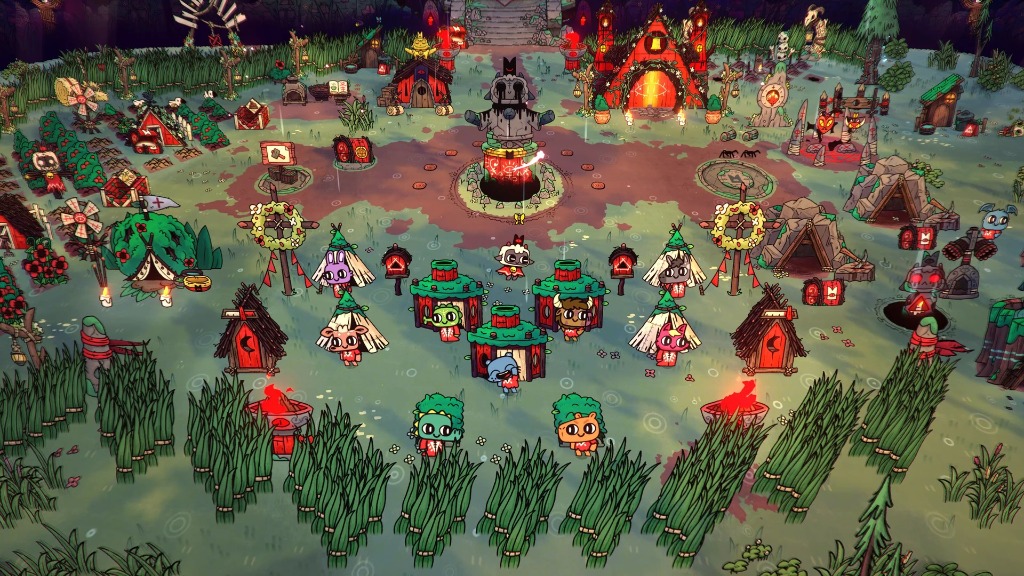
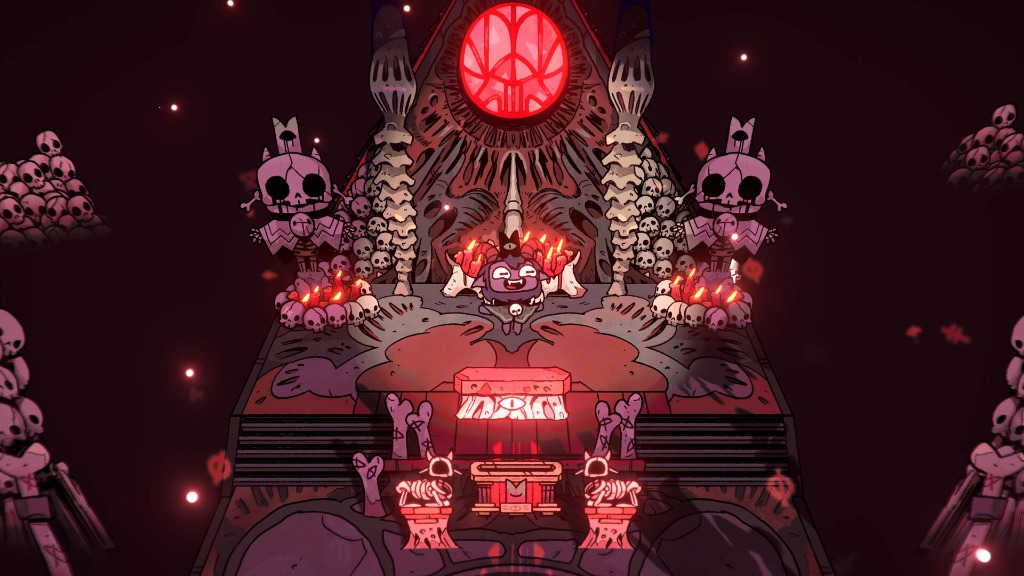
What elevates Cult of the Lamb above “cute roguelite with base building” is how gleefully it commits to theme. You're not just optimizing production chains; you're running a belief system. Sermons, rituals, doctrines—your choices shape what kind of cult you're creating, and the game is constantly tempting you with options that are either wholesome, horrifying, or both depending on how you roleplay it.
It also helps that the game's been expanded over time with substantial updates that deepen both sides of the experience—more reasons to keep crusading, more toys for cult management, and more chaos injected into the daily routine. Add in co-op support (so you can share the workload of being a tiny adorable tyrant), and it becomes even easier to recommend if you've got a partner-in-heresy.
If you like games that are polished, funny, and unexpectedly addictive—and you don't mind that your “town sim” occasionally requires a dagger—this one is top-tier.

Screenshots