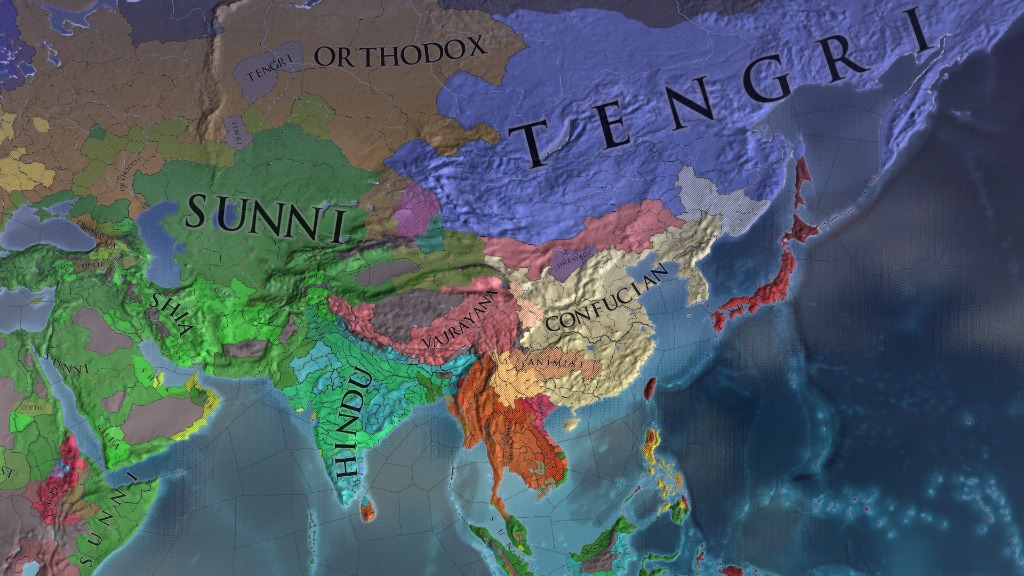
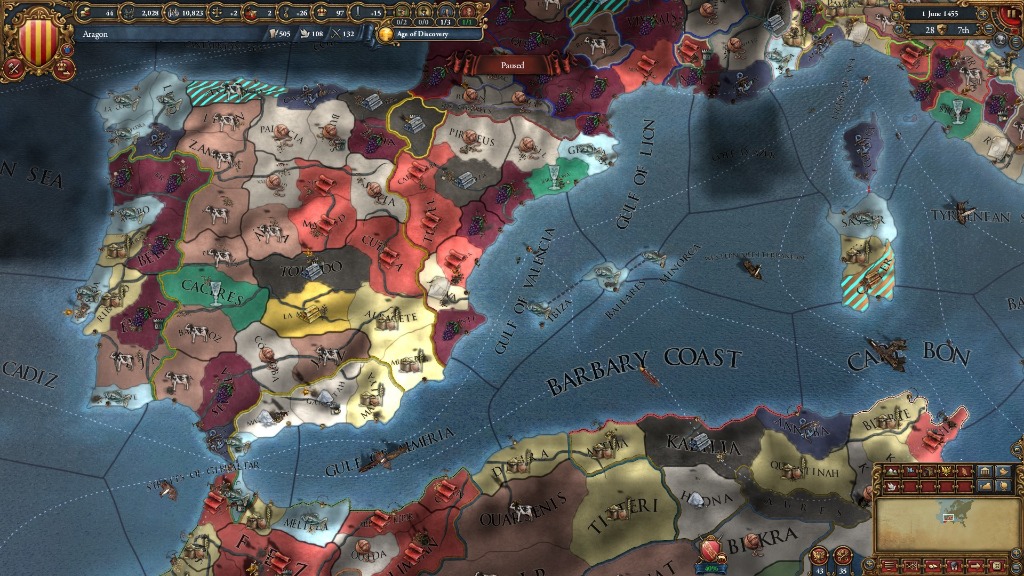
Europa Universalis IV
 GFA METERGREAT
The historical accuracy angle works because EU4 doesn't just throw dates at you—it models the pressures that shaped the early modern world: state-building, colonization, religious conflict, institutional change, and the constant tug-of-war between expansion and internal stability. You start in a world that looks recognizably historical, and even when you go wildly off-script, the consequences usually feel believable. That balance—grounded setup, plausible divergence—is why EU4 is one of the best “learn history by accident” games ever made.
And yes, it's complicated. But it's the good kind of complicated: the kind where every new mechanic you understand feels like unlocking an extra layer of reality. The learning curve is steep, but the payoff is enormous—EU4 rewards long-term planning, curiosity, and creative problem solving in a way very few strategy games can match.
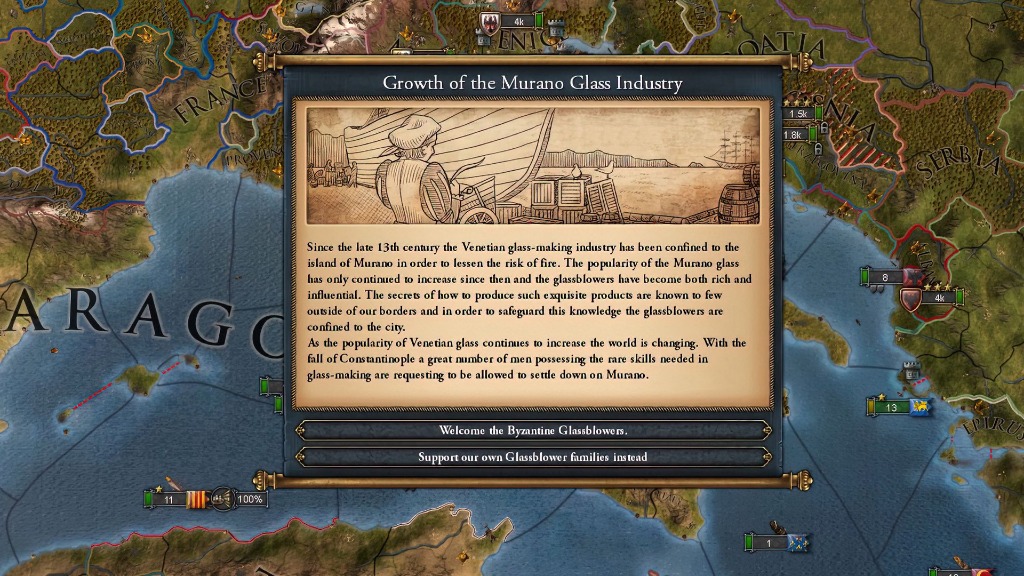
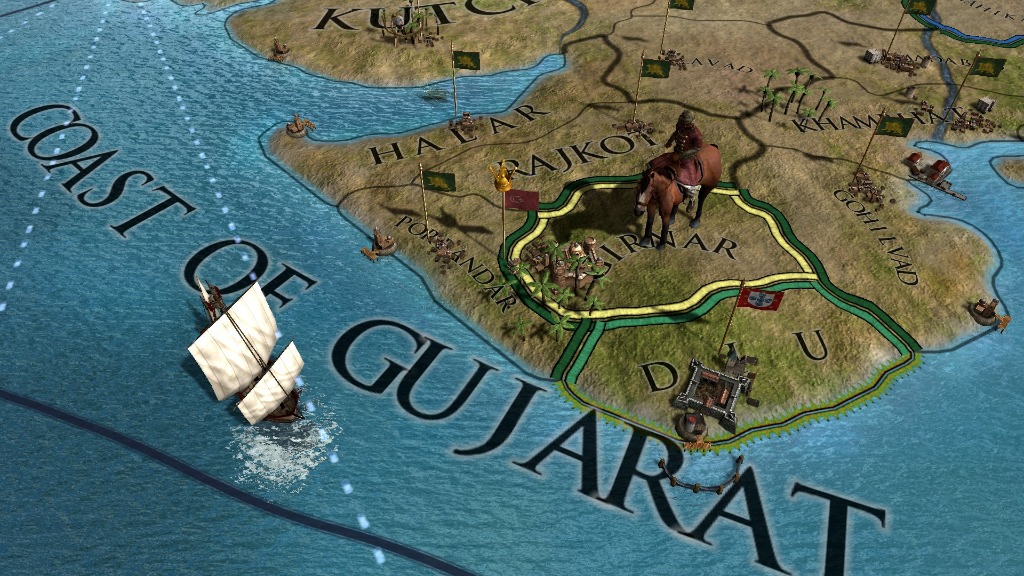
Screenshots