Nioh 3

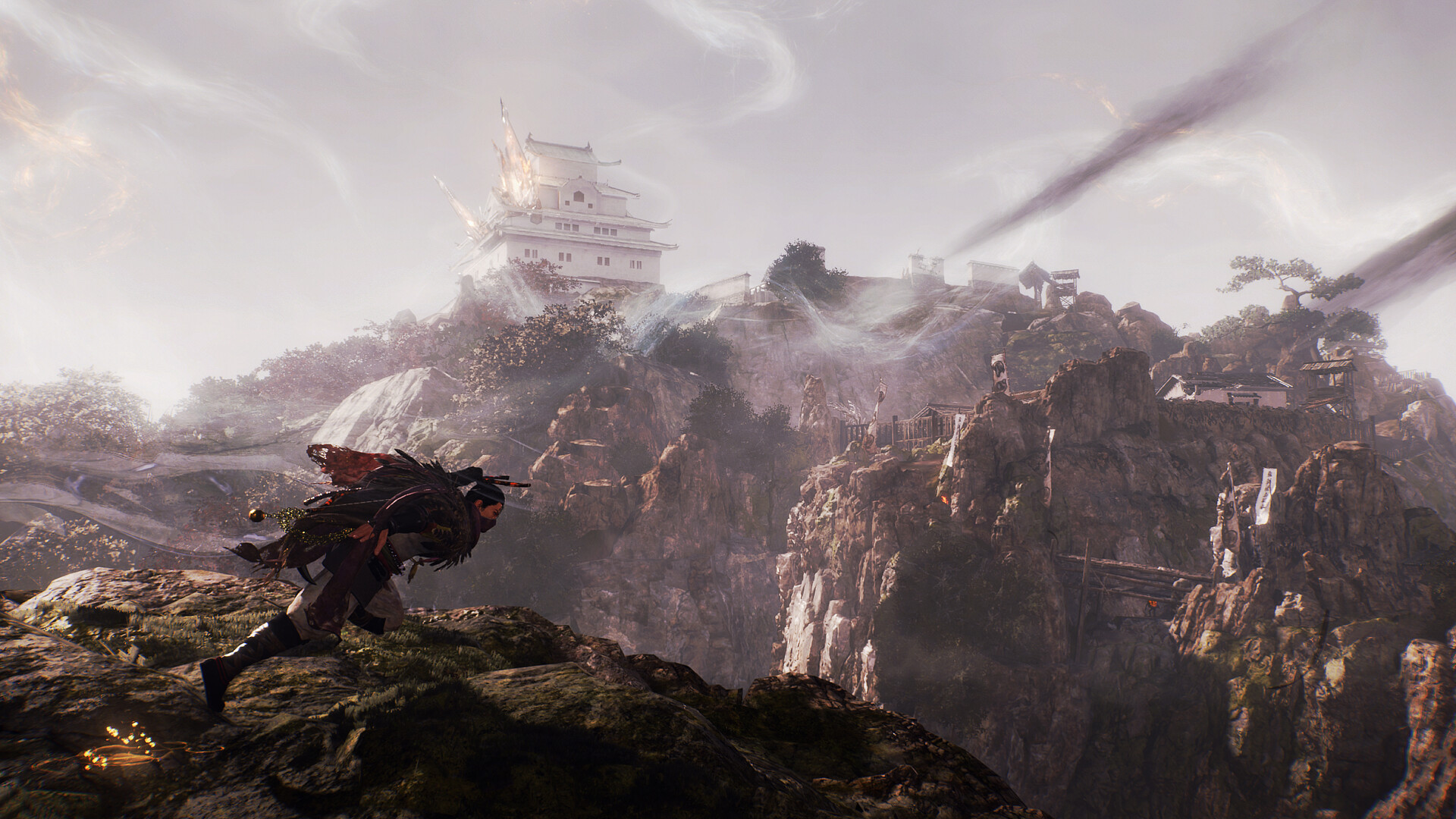
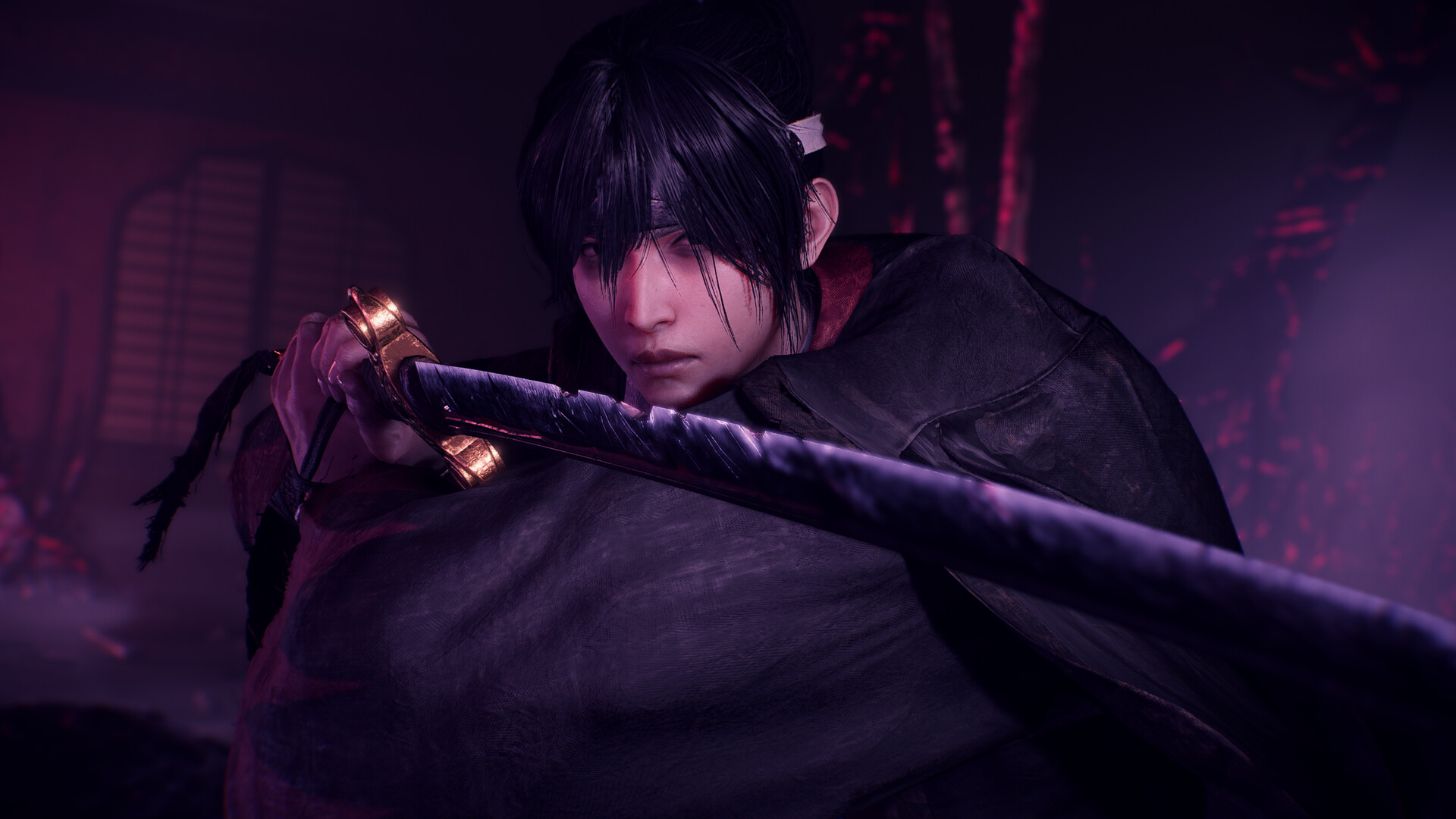
Mechanically, the series’ identity is intact: stance/skill complexity, loot progression, and that “you’re not here to relax” difficulty curve. The new style-switching layer is the best kind of sequel idea because it changes how you think moment-to-moment: Samurai for committing to trades and breaking guards, Ninja for repositioning, burst damage, and generally behaving like a problem in human form. When it works, it feels less like “two classes” and more like one toolkit you’re remixing in real time.
Co-op fans also eat well: Nioh 3 supports online multiplayer for up to three players, and even the pre-launch demo supported 3-player co-op with save data carryover to the full game (nice, because “the tutorial” in Nioh terms is still a full-contact sport).
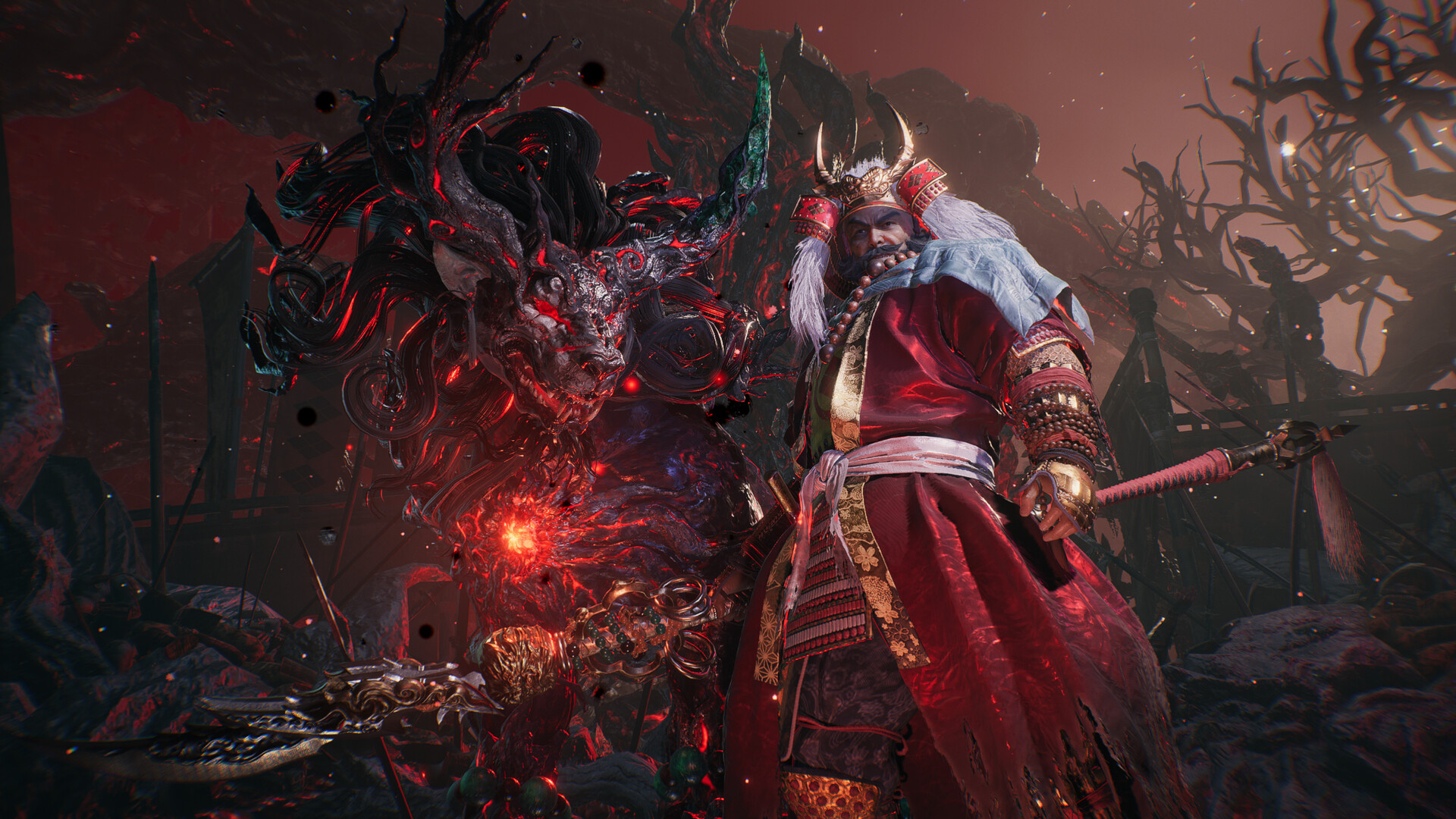
Now the honest caveat: the open-field side isn’t trying to out-Elden-Ring Elden Ring. Some critics have called the open world more “formulaic” than genre leaders, even while admitting it’s still wildly fun. That’s the right expectation—Nioh 3’s joy is in combat depth and build expression, not necessarily in reinventing open-world discovery. If you’re here for the fights (and the boss designs that look like Japanese mythology decided to lift weights), you’re in the right place.
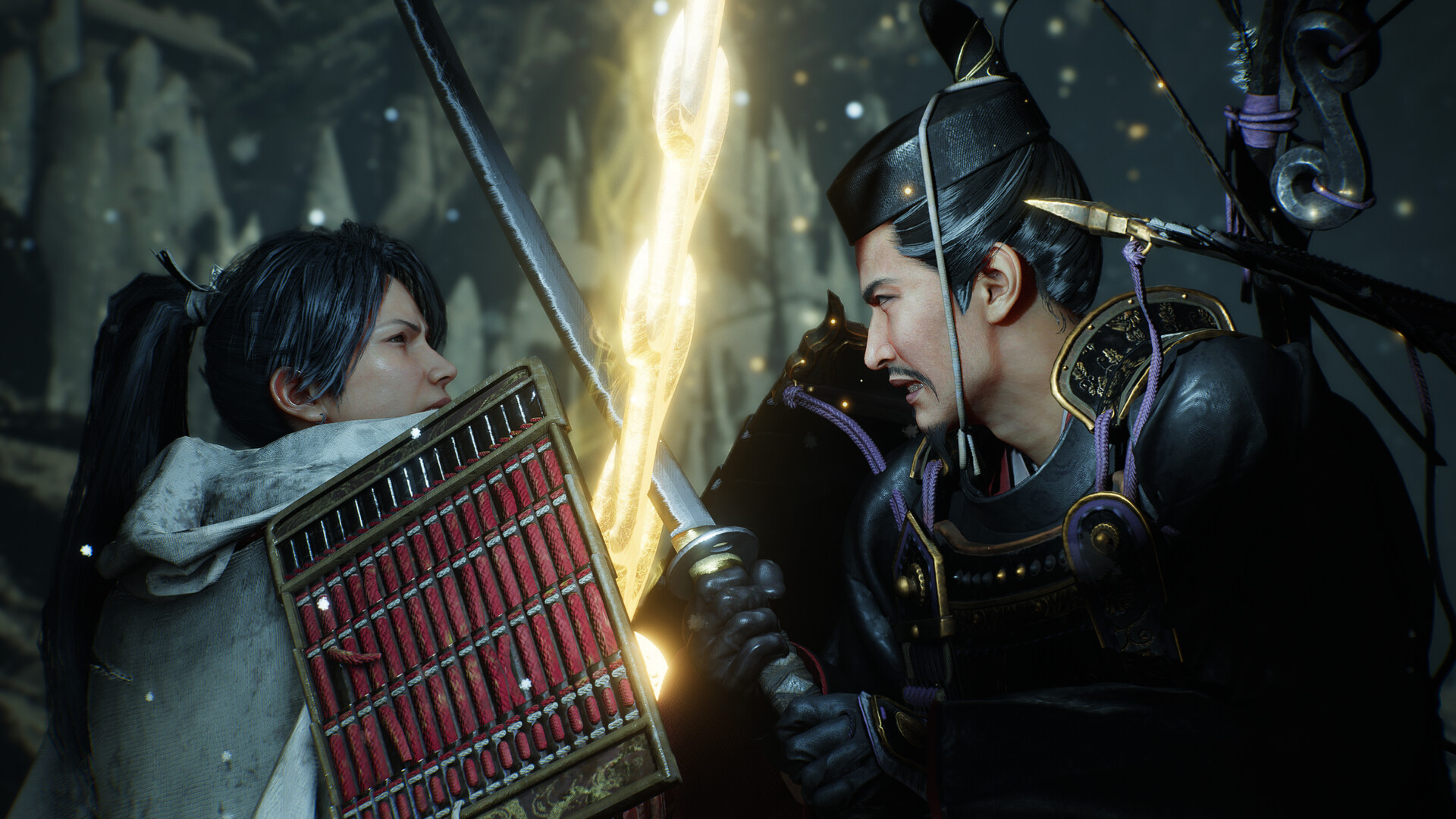
And clearly, plenty of people are: within two weeks, Nioh 3 reportedly cleared 1 million units sold and hit 88k+ concurrent players on Steam, making it the series’ fastest-selling entry. There’s also already a Season Pass listed with two big expansions (“Hell Rising” and “Bloody Insurrection”), so it’s positioned as a long-haul action-RPG meal, not a weekend snack.
Screenshots