Ravenfield
What’s already impressive
Scale + scope: thousands of troops, tons of factions and units, and a wide historical timeframe.
Systems-heavy battles: disorder, routing, morale shocks, and flanking create real tactical texture.
Content variety: historical reenactments and campaigns sit alongside deep custom battle tools.
What needs work (and why we’re watching)
Combat energy: some encounters feel sluggish, with units behaving too passively under threat unless micromanaged. That’s the one place “realism” currently wobbles—because getting shot at should be a persuasive argument all by itself.
AI urgency: the game’s command-delay philosophy is great; the unit-level instincts just need more bite.
Bottom line: Strategos already has the bones of a standout historical tactics sandbox, and the courier-based command model is the hook. If the devs tighten battlefield reactivity—so troops don’t look like they’re waiting for a meeting invite to begin surviving—this could end up being one of the most distinctive ancient warfare games on Steam.
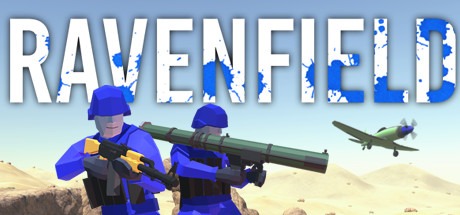
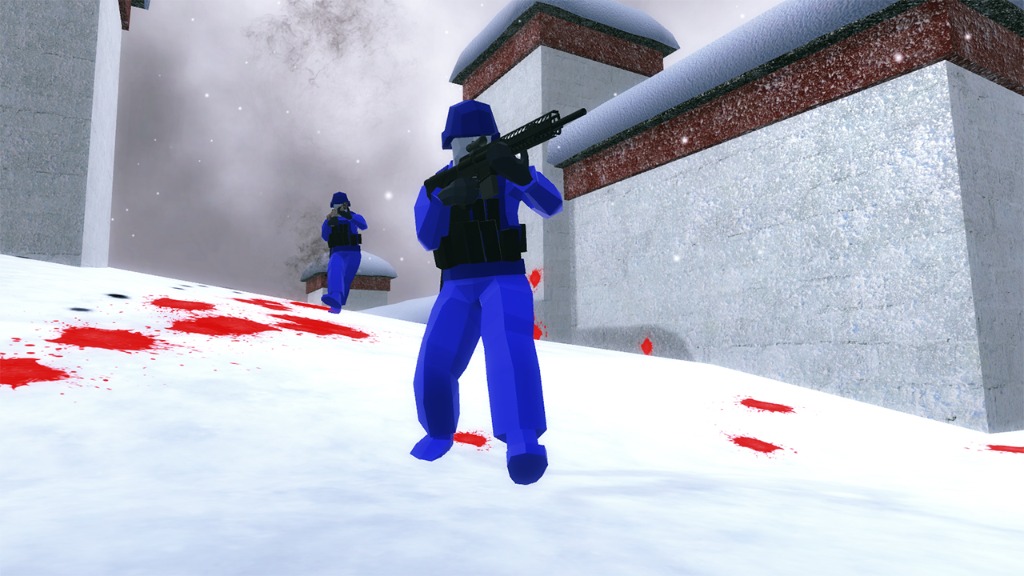
Ravenfield is the rare shooter that looks like a toy box (blue guys vs red guys, chunky silhouettes, cheerful simplicity) and then immediately turns into a full-scale war sandbox where your PC is the only thing limiting the size of the battle. You drop into team-vs-team AI fights built to feel like the “good old days” of bot shooters—easy to pick up, but surprisingly tactical once you start using the whole toolkit.
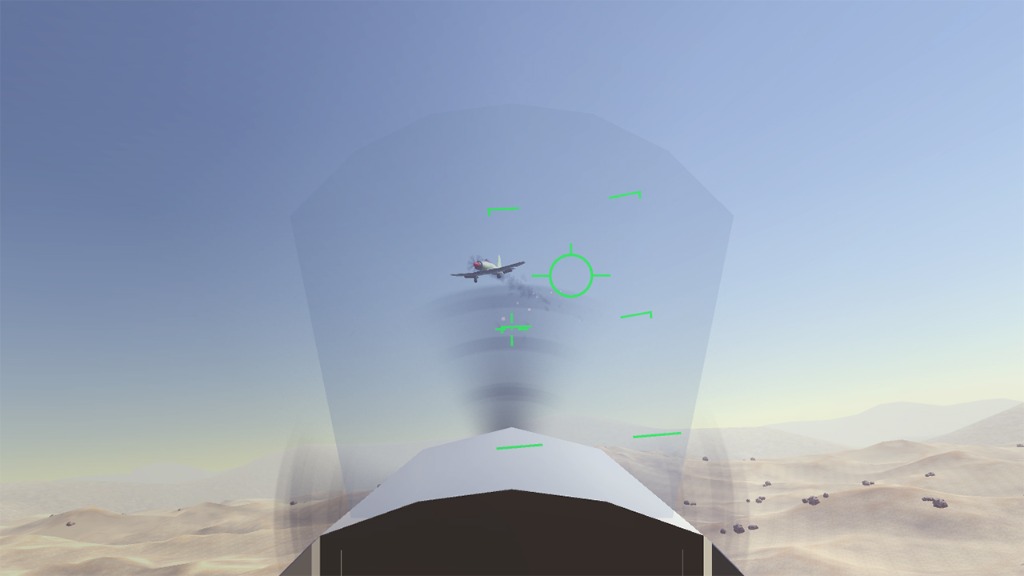
The core fantasy is beautifully direct: grab a gun, jump in a helicopter, steal a tank, do something heroic, ragdoll dramatically. Ravenfield leans into active ragdoll physics and a slightly silly tone, which means firefights can swing from “smart flanking maneuver” to “I got launched off a hill like a cartoon sandwich” in seconds. And because you can fight as infantry or use ground vehicles, aircraft, and watercraft, the game rarely gets stuck in one rhythm—when a map starts feeling like a sniper playground, you can pivot into vehicle chaos and start solving problems with rotor blades.
Where it really earns the “forever-installed” status is replayability. Even without mods, the game supports big battles and different ways to approach them. And with its Conquest layer (a world map where you choose territories to take for reinforcements/resources), it has that “just one more territory” pull that quietly eats your evening.
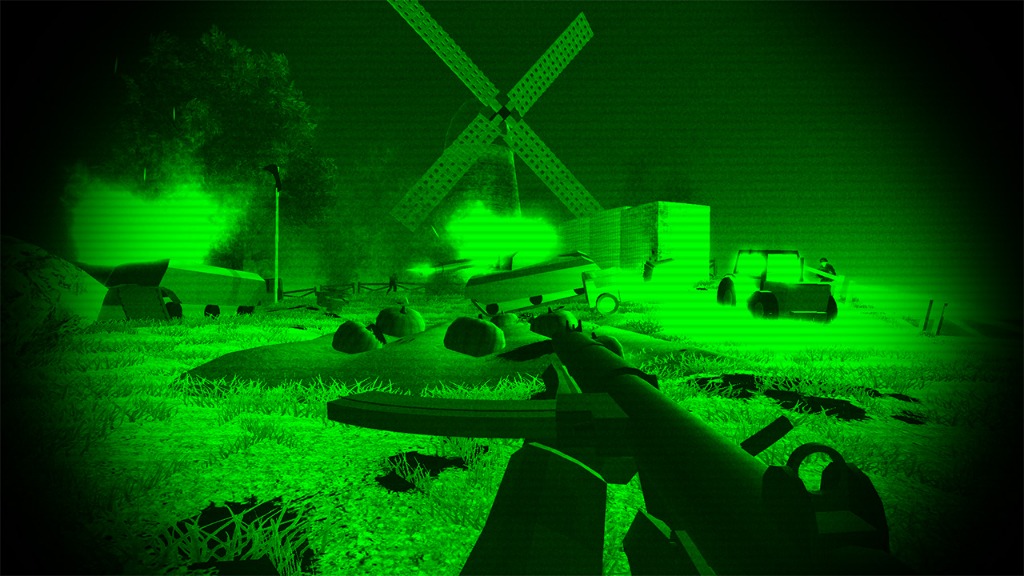
Now add mods, and Ravenfield stops being “a game” and becomes a platform. The Steam page is explicit about the goal: modding support with custom levels, vehicles, and weapons, plus Steam Workshop integration and even a level editor. In practice, the Workshop is a firehose of content—maps, weapons, vehicles, skins, mutators—ranging from grounded military kits to totally unhinged meme warfare. One week you’re running a “semi-serious” modern combat setup; the next week you’re storming beaches with a loadout that looks like it was assembled by a sleep-deprived prop department. That constant “what if I try this mod combo?” is why Ravenfield never really runs out.
The one big disappointment: no true built-in multiplayer. Ravenfield is marketed and designed as single-player first, and you feel that. Yes, the community has stepped in—there’s RavenM, a free multiplayer mod/plugin (very WIP by its own admission), and there’s also the separate community project “Ravenfield: Multiplayer Mod” (RFMP) on Steam. But community multiplayer is never quite the same as “official, seamless, supported forever,” and it’s a shame because this sandbox would be absolutely lethal with polished native co-op/versus.
Still: Ravenfield’s magic is that it doesn’t need multiplayer to be endlessly entertaining. The AI-battle premise, the scale, the vehicles, the silly physics, and the mod ecosystem combine into a game that constantly creates new “how did this happen?” moments—often five seconds after you confidently said, “I’ve got this.”