Stardew Valley

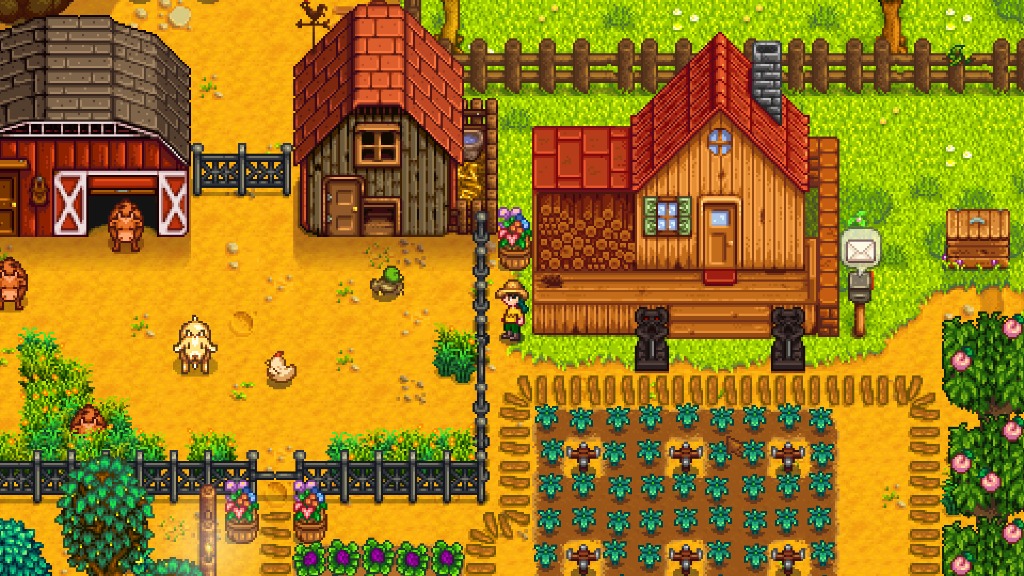
The secret sauce is pacing. Stardew doesn’t force urgency (aside from the gentle tyranny of the calendar). Instead, it gives you a hundred small goals—upgrading tools, expanding the farmhouse, improving relationships, restoring the valley—and lets you decide what “progress” means. And somehow it makes “walking home before 2AM” feel like a dramatic action-movie escape sequence.
It’s also surprisingly social for such a personal game. On Steam, it supports multiple co-op flavors (online, LAN, split-screen). The wiki notes multiplayer can scale from 1–8 players depending on platform/mode, which turns your peaceful farm into either a well-run commune or a chaotic group project where someone keeps “borrowing” all the wood.
Then there’s the modding scene, which is basically Stardew’s second life. If you’re on PC, SMAPI is the popular mod loader that lets you add mods without permanently altering the base game files. That means you can go from “vanilla cozy farm” to “my town now has 40 extra NPCs, 12 new systems, and I’m dating someone who may be a sentient tractor” with a few downloads and questionable restraint.
The honest drawbacks: the early hours can feel slow if you need constant action, and some systems (fishing, anyone?) are polarizing. Also, this game is so good at “one more day” that it can quietly delete your evening—so hydrate, stretch, and maybe warn loved ones you’re entering the mines.
Still, it’s hard to argue with the legacy. The Steam user rating is Overwhelmingly Positive (98% positive in both recent and all-time snapshots on the store page). And the game keeps getting meaningful updates—Stardew 1.6 had multiple follow-up patches in late 2024, and even talk of a future 1.7 has popped up.
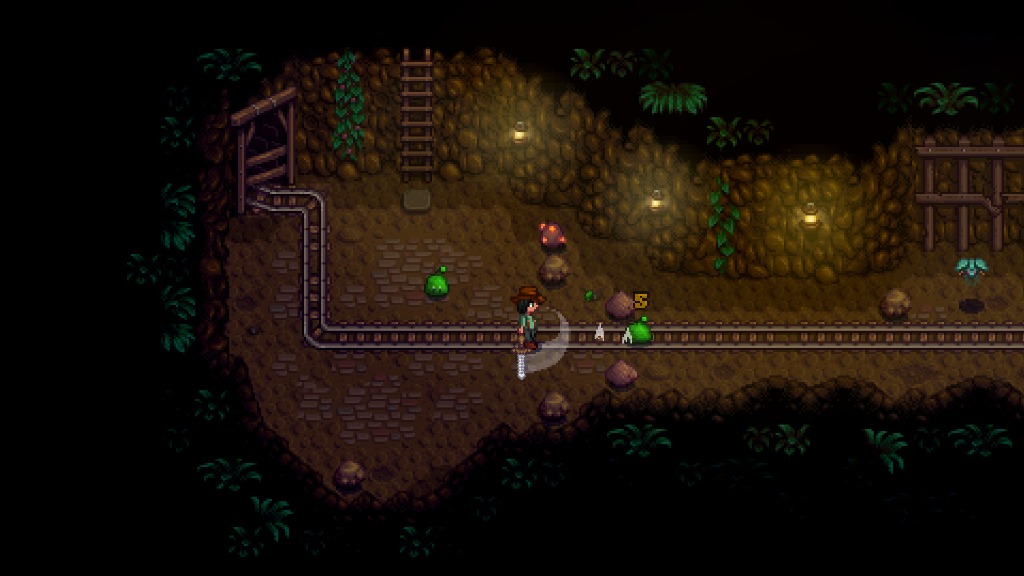

Screenshots