Strategos
 GFA METERGOOD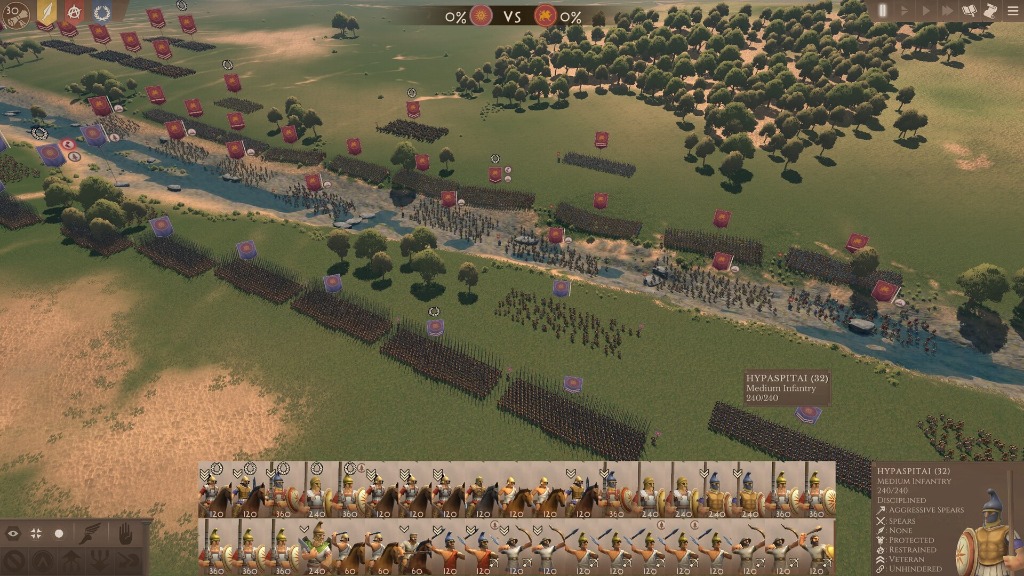
The twist that makes it special: command friction
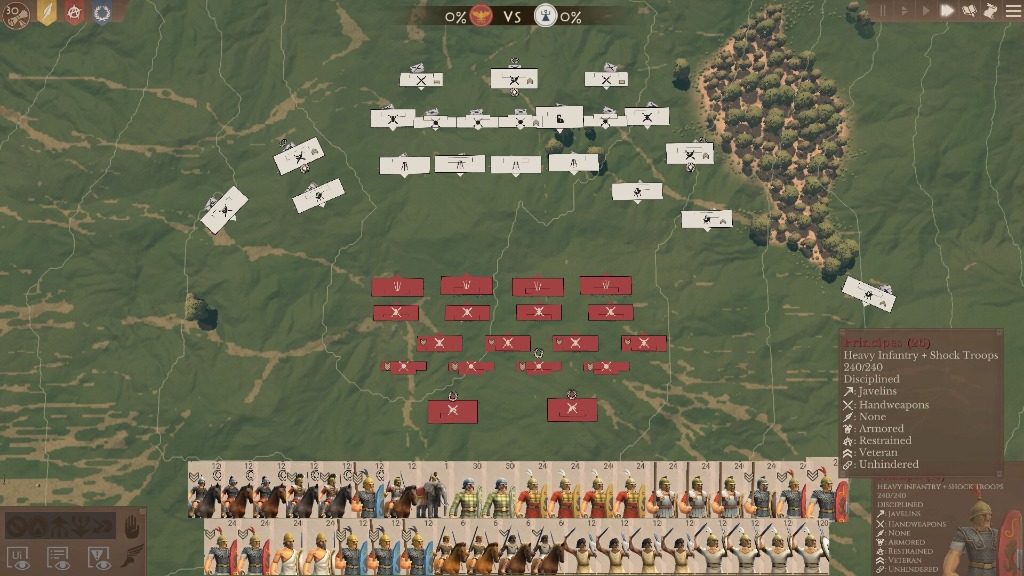
The standout feature is the command-and-control model. Strategos explicitly pushes you to think about where your general is, when to commit them, and how to balance issuing orders with morale support and personal involvement—while sending couriers to relay commands. In other words, you can't always “fix” a developing problem instantly. You feel the delay, and that changes how you plan: reserves matter more, positioning matters more, and reckless micromanagement gets punished by time itself.
That one design choice gives Strategos its own identity in a genre full of “Total War-like but…” clones. When a plan works here, it's not because you clicked faster—it's because you read the field earlier.
Content and historical playground
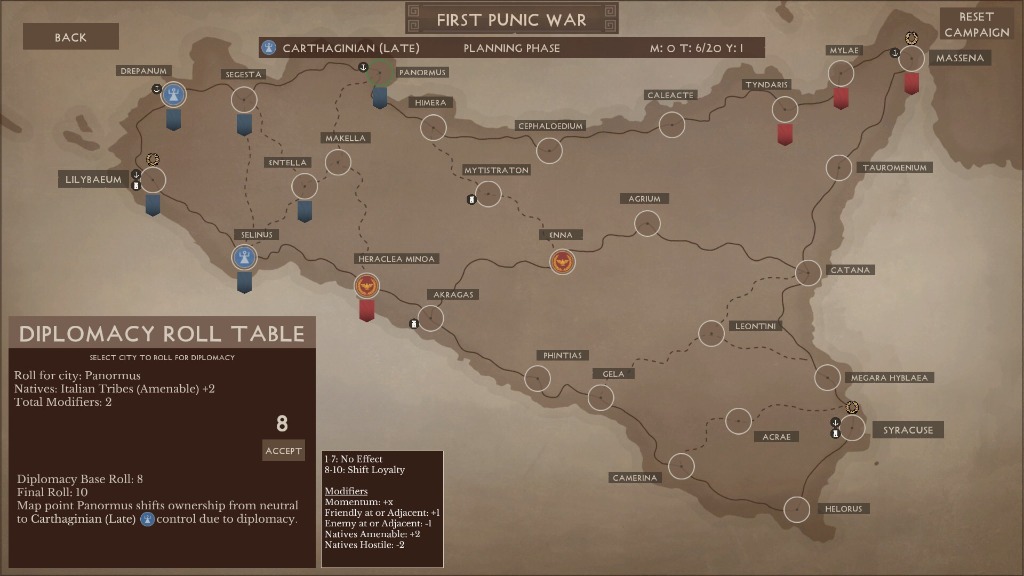
There's a lot to chew on already: 120+ factions and 250+ units, spanning roughly a thousand years—from Persian Wars-era troops through later imperial matchups. The Early Access version lists 5 historical campaigns, 9 reenactment battles, and a map-based campaign, alongside the battle simulator. Historical set-pieces include battles like Issos, Trebia, Zama, Carrhae, and more. For custom battles, the options go deep: army lists, allies, unit selection, era, map, deployment settings, difficulty, and even AI aggression/type are all tweakable (including hotseat as an alternative to AI).
The big problem: battles can feel sluggish and oddly passive
Now for the part that holds Strategos back right now: despite the realism of courier-delivered orders, some fights feel sluggish—not in a “weighty realism” way, but in a “why is everyone so calm about being shot at?” way. You'll sometimes see units standing idle or hesitating under pressure until you explicitly nudge them, which can read as passive and breaks immersion—because real soldiers don't politely wait while missiles arrive with their name on them.
To be clear: the underlying simulation is promising. But the frontline needs more automatic urgency—more believable self-preservation behaviors, more reactive movement, and AI that looks like it understands it's in a battle rather than a museum reenactment where touching is forbidden.
The hopeful news: Strategos is Early Access, and the developers explicitly position community feedback as a driver for improvements and future content. The current plan also mentions expanding scenarios/units (including chariots) and refining the campaign experience. If the team can inject more responsiveness and “battlefield instincts” into unit behavior—without sacrificing the brilliant courier/friction concept—Strategos could become a genuine long-term obsession for ancient warfare fans.
Screenshots